

Krauze | Mahler | Shemet
November 18 @ 19:00 - 21:00
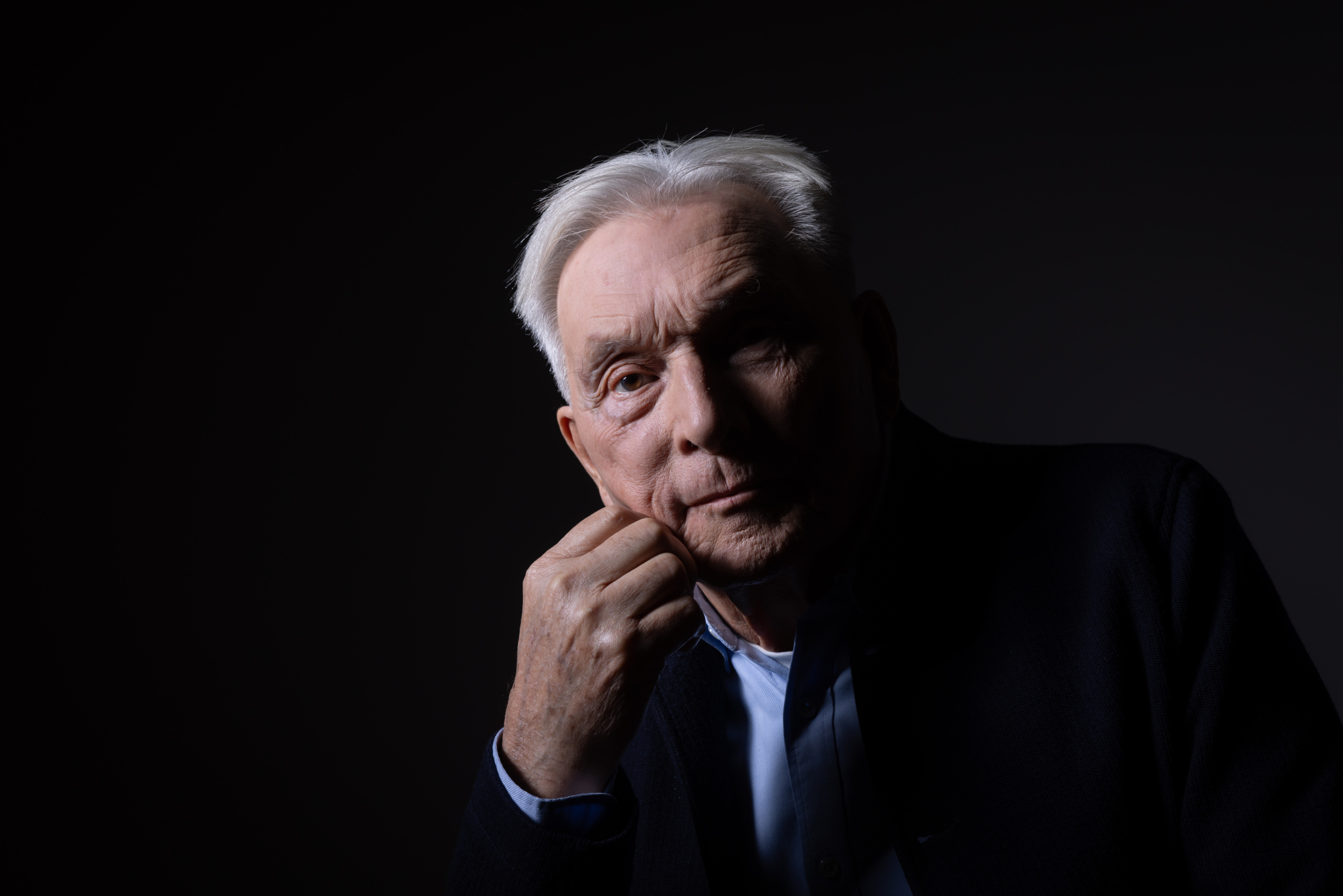
fot. Bartek Barczyk
The first part of the concert invites listeners into the musical world of Zygmunt Krauze. Spróbuj opiewać okaleczony świat (Try to Praise the Mutilated World) is a moving poem by Adam Zagajewski. It also serves as the title of Krauze’s new work, which will receive its world premiere at this concert. The composer follows Zagajewski’s poem, with the text – sung by the solo soprano – playing a central role.
Piano Concerto No. 2 (1996) was inspired by sacred places that the composer visited and that left a profound impression on him: Delphi in Greece (the principal sanctuary of Apollo), Teotihuacan in Mexico (a sacred city of the Aztecs), Gyeongju in Korea (the cradle of Korean Buddhism), and Jerusalem. Although the work does not use elements of the traditional music of these cultures, each movement reflects the composer’s artistic impressions from these visits. The virtuosic piano part will be performed by the composer himself.
The evening will conclude with Mahler’s Symphony No. 4 (1900), notable for requiring fewer performers than many of his other works and often regarded as one of his more accessible symphonies. But is it really? Perhaps the idyllic finale – featuring a solo soprano singing a childlike vision of heavenly delights – juxtaposed with the danse macabre motif from the second movement creates a sense of grotesque irony, where death appears as a constant element of life, and the apparent ‘accessibility’ of the work’s musical language conceals a deeper, more challenging meaning.
PROGRAMME:
Zygmunt Krauze
„Spróbuj opiewać okaleczony świat” for soprano and orchestra (world premiere)
Zygmunt Krauze
Piano Concerto No. 2
******
Gustav Mahler
Symphony No. 4 in G major
______
PERFORMERS:
The Silesian Philharmonic Symphony Orchestra
Yaroslav Shemet – conductor
Joanna Kędzior – soprano
Zygmunt Krauze – piano
Co-financed by the Minister of Culture and National Heritage from the Culture Promotion Fund—a state-administered special-purpose fund—as part of the “Composer Commissions” program, implemented by the National Institute of Music and Dance.